
Advanced Adenoidectomy Surgery
Are you looking for the best Adenoidectomy Surgery? Sinocare ENT provides expert care for your child. Adenoidectomy surgery involves removing adenoids to improve breathing. Furthermore, it significantly reduces infections. We commonly perform this procedure on children with recurrent ear or nasal problems.
What is Adenoidectomy?
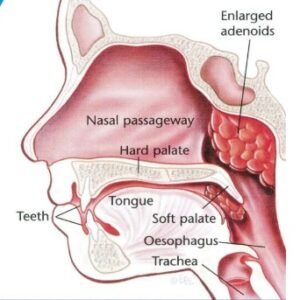
Adenoidectomy is a surgical procedure performed to remove the adenoids, which are small patches of lymphoid tissue located at the back of the nasal cavity (behind the soft palate).
Role: While adenoids help fight infections in early childhood, they can become chronically enlarged or infected, leading to health complications.
The Procedure: It is a common, safe, and effective surgery performed under general anesthesia.
Duration: The surgery typically takes between 30 to 45 minutes.
Target Patients: Most commonly performed on children, though adults may occasionally require it.
Hospitalization: It is usually a day-care procedure, meaning the patient can often go home the same day.
Purpose of the Surgery
Doctors recommend Adenoidectomy surgery when medication fails to resolve issues. The primary goals are simple. We aim to improve breathing. Additionally, we reduce chronic infections.
Relief from Nasal Blockage: Corrects chronic mouth breathing caused by obstructed nasal airways.
Treating Sleep Issues: Resolves severe snoring and Obstructive Sleep Apnea (OSA), ensuring better sleep quality.
Preventing Ear Infections: Helps prevent recurrent ear infections (Otitis Media) and fluid buildup (Glue Ear) that can affect hearing.
Reducing Sinusitis: Clears the obstruction of sinus drainage pathways to stop frequent sinus infections.
Correcting Speech: improving voice quality in children who sound “nasal” or muffled due to the blockage.
Is Adenoidectomy minimally invasive?
Yes, Adenoidectomy surgery is considered a minimally invasive ENT procedure.
No External Scars: The entire surgery is performed through the mouth; there are no cuts made on the outside of the face or neck.
Advanced Visualization: Surgeons often use endoscopes to see clearly without extensive maneuvering.
Minimal Bleeding: Modern tools cauterize tissue as they remove it, resulting in very little blood loss.
Quick Recovery: The procedure is fast (20–40 minutes), and recovery is rapid, usually taking just 5–7 days.
Less Pain: Compared to older surgical methods, modern techniques result in significantly less post-operative pain.
Instruments and Technology used in Adenoidectomy Surgery
Adenoidectomy surgery can be performed using traditional or advanced endoscopic methods.
1. Access Tools:
Mouth Gag & Retractors: To keep the mouth open and lift the palate for a clear view.
Endoscopes: For high-definition, direct visualization of the adenoid bed.
2. Removal Technologies:
Coblation System: Uses low-temperature radiofrequency energy to gently dissolve tissue while stopping bleeding simultaneously. This causes the least thermal damage.
Microdebrider: A powered instrument with a rotating tip that shaves away adenoid tissue precisely while suctioning it out.
Suction Diathermy: A device that cuts tissue and seals blood vessels at the same time to prevent bleeding.
Traditional Curette: A manual tool used in classic techniques to “scoop” out the tissue (less common in advanced setups).
Advanced Equipments and Their Benefits
Modern Adenoidectomy surgery has evolved from “blind” scraping to a high-precision procedure. We use state-of-the-art technology to ensure safety and faster recovery.
1. High-Definition Endoscopes
What it is: A slender, medical-grade camera tube inserted through the nose or mouth to provide a magnified view of the adenoids.
The Benefit:
No Guesswork: Allows the surgeon to see the exact size and location of the adenoids rather than relying on feel (blind technique).
Safety: Ensures that nearby delicate structures, like the Eustachian tube opening (which connects the ear to the nose), are not accidentally damaged.
Completeness: Helps in visualizing and removing “hidden” tissue, significantly reducing the risk of regrowth.
2. Microdebrider System (Powered Shaver)
What it is: A powered instrument with a tiny rotating tip that simultaneously shaves away adenoid tissue and suctions it out.
The Benefit:
Precision: It removes tissue layer by layer with extreme accuracy.
Cleaner Field: Continuous suction keeps the surgical area free of blood, allowing for a faster and smoother procedure.
Reduced Trauma: It cuts tissue cleanly rather than tearing it (which can happen with older curettes), leading to better healing.
3. Coblation Technology (Cold Ablation)
What it is: An advanced wand that uses radiofrequency energy and saline to create a plasma field. This dissolves tissue at a low temperature (40°C–70°C) compared to traditional cautery (400°C).
The Benefit:
Less Pain: Because it uses “cool” energy, there is minimal thermal (heat) damage to surrounding healthy tissues. This results in significantly less post-operative pain.
Faster Recovery: Gentle tissue removal means the throat heals faster, allowing children to return to normal eating sooner.
Minimal Bleeding: It stops bleeding (coagulates) at the same time it removes tissue, making the surgery almost bloodless.
4. Suction Diathermy
What it is: A specialized tool that acts as both a suction device and a coagulator (sealer) for blood vessels.
The Benefit:
Efficiency: It handles any minor oozing immediately, keeping the airway clear.
Safety: It provides targeted heat only where necessary, ensuring the patient wakes up with no active bleeding.
Summary of Technological Advantages
By using this combination of Endoscopy, Microdebriders, and Coblation, we achieve:
99% Reduction in bleeding risk.
Zero external cuts.
Near-zero risk of damage to the voice box or ears.
Same-day discharge (Day-care procedure).
Post-Surgery Experience
Most children bounce back remarkably fast after Adenoidectomy surgery.
Immediate Aftermath: Mild throat pain and nasal stuffiness are common immediately after waking up.
Diet: Patients are advised to stick to a soft, cool diet (like ice cream, yogurt, or room-temperature soups) for 3–5 days. Hard, crunchy, or spicy foods should be avoided.
Hydration: Drinking plenty of water and fluids is crucial for healing.
Temporary Symptoms: You might notice bad breath or a temporary change in voice (nasal tone) due to swelling, which resolves quickly.
Recovery Timeline: Most children can return to school and normal play within 7 to 10 days
Understanding the Risks
Adenoidectomy surgery is a very safe routine surgery, but like all medical procedures, it carries minor risks that parents should be aware of:
Bleeding: Minor bleeding can occur during or shortly after surgery (rare with modern techniques).
Infection: There is a very small risk of infection at the surgical site.
Dental Trauma: Rare instances of loose teeth or lip injury from the mouth gag.
Regrowth: In very rare cases, especially if surgery is done at a very young age, adenoid tissue may grow back.
Velopharyngeal Insufficiency: Temporary leakage of fluid into the nose while drinking (very rare and usually self-correcting).
Frequently Asked Questions
Is Adenoidectomy painful?
The surgery itself is painless since it’s done under general anesthesia. Afterward, mild throat or nasal discomfort may occur for a few days.
How long does recovery take?
Most patients recover within 7–10 days. Children can usually return to school after one week.
Will my child’s voice change after adenoidectomy?
Some children may have a nasal-sounding voice for a short period, which returns to normal as healing occurs.
Is hospitalization required?
No, adenoidectomy is generally an outpatient (day-care) procedure. The patient can go home the same day after observation.
Can adenoids grow back?
In rare cases, small adenoid tissue remnants can regrow, especially if surgery is done at a very young age.
What foods should be avoided after surgery?
Avoid hot, spicy, or crunchy foods. Soft, cool foods like curd rice, soups, or ice cream are recommended.
Will removing adenoids affect immunity?
No, the removal does not weaken the immune system. Other lymphoid tissues in the body continue to protect against infections.
How soon will snoring or breathing improve?
Improvement is usually seen within a few days to weeks once swelling decreases and normal airflow is restored.
Book An Appointment
We believe that communication should always be easy and stress-free. You can reach Sinocare ENT using any of the following methods: